
No Fayette 72-Hour Release Log
The sheriff's OCV inmate feed is not a three-day release report. Research found no official Fayette County 72-hour released-inmate list, and the inspected feed did not include release-date, released-status, recent-release, scheduled-release, bond-release, or destination-after-release fields. Booking dates in the feed spanned far beyond 72 hours, which points to a current inmate display rather than a rolling release log.
Use narrow wording: A 72-hour review can show that a person is not currently displayed, but release still needs agency confirmation.
Why the Feed Is Wider
The Fayette OCV data quirk matters more on the 72-hour page than the same-day page. A three-day window can catch weekends, holidays, delayed postings, and transfer updates. Fayette's public feed, however, is broader than a three-day view and does not label custody exits. That means the feed is a starting point for current display checks, not a calendar-based release log.
| Question | Best Fayette source | Why it matters |
|---|---|---|
| Is the person still displayed? | Sheriff OCV feed | First current-custody public check. |
| Did the jail process release or transfer? | Sheriff or jail records | Confirms the local custody event. |
| Was release ordered? | Fayette Circuit Clerk or AlaCourt | Explains bond, warrant, dismissal, sentence, or revocation. |
| Was state custody involved? | ADOC search and Form 23-A records | ADOC online data is current custody only. |
| Was parole involved? | ABPP hearings, results, minutes, field office | A hearing is not the same as release. |
| Did custody move elsewhere? | BOP or ICE locator | Covers federal or immigration custody. |
Fayette Weekend Release Workflow
A 72-hour check should account for delayed processing. A person may leave jail, remain listed briefly, disappear later, or be transferred to another agency without a public release note. The sheriff feed does not publish a retention rule, so monitor with timestamps and confirm through official records before making a release statement.
- Review the current Fayette sheriff inmate feed and note the time checked.
- Compare prior booking details, especially booking number, booking date, charges, and image status.
- Treat disappearance from the feed as unconfirmed until the jail or another official source confirms the event.
- Check court records for the legal authority behind the change.
- Account for weekend, holiday, transfer, municipal-court, and hold scenarios.
- Use state, parole, notification, federal, or ICE sources only when the facts point there.
For a shorter same-day check, use Jail Releases: 24 Hours.
Fayette Mixed Custody Outcomes
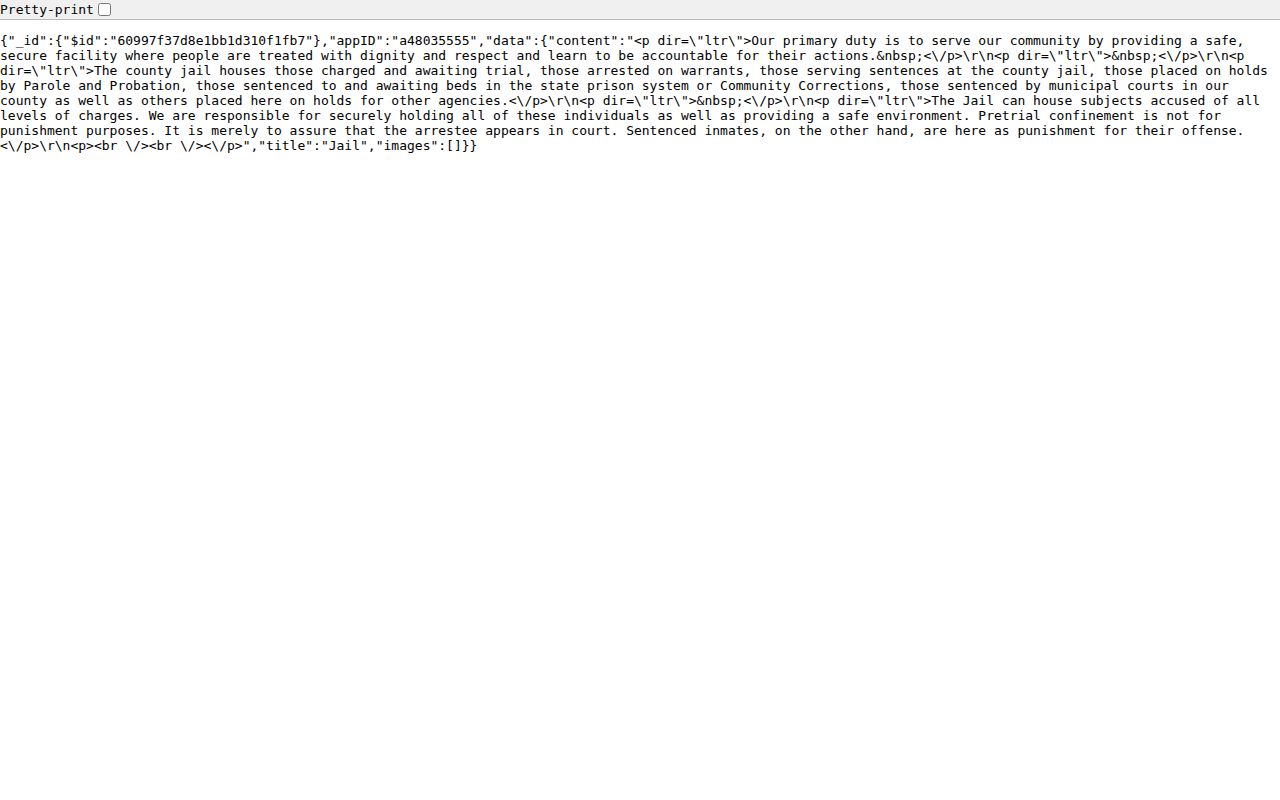
The official jail page says Fayette County Jail houses more than one kind of person: pretrial detainees, warrant arrests, county-jail sentences, parole/probation holds, people waiting for state prison or Community Corrections beds, municipal-court sentences, and holds for other agencies. This is the strongest reason not to treat a 72-hour absence as a final release from all custody.
The Fayette jail page data screenshot supports that mixed-custody finding.
Court Records for 72-Hour Checks
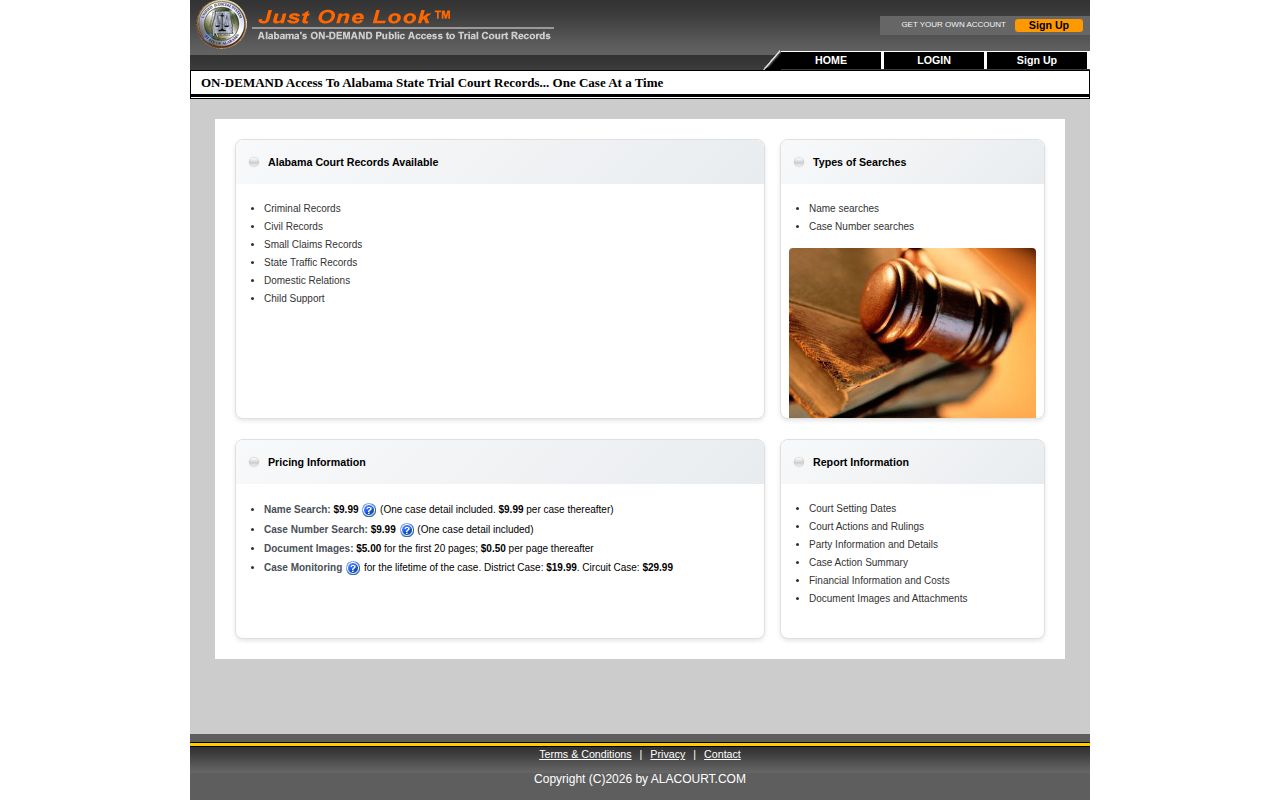
Fayette court records can explain why custody changed during a three-day window. AlaCourt and the circuit clerk path may show bond orders, release orders, warrant recalls, dismissals, sentencing entries, probation orders, or revocation outcomes. Those records can be especially useful after a weekend or holiday because they give legal context even when the jail feed does not label the change.
The AlaCourt public access portal is the court route documented in the research.
Document Fayette Release Checks
Good documentation avoids overstatement. Note the date and time of each public feed check, the search name used, any booking number or booking date visible before the person disappeared, and the official source that confirmed the final event. If no source confirms release, use a limited statement such as not currently listed in the public sheriff inmate feed.
A release from Fayette County Jail custody can be true at the same time as another status, such as parole supervision, ADOC custody, a court case, or another-agency hold. Always ask which custody ended.
Fayette 72-Hour Transfer Review
The three-day window is useful because transfers and holds often do not look like ordinary release events in a public feed. A person waiting for an ADOC or Community Corrections bed may stop appearing in the Fayette feed after transport. A person held for another agency may leave Fayette County Jail when that agency assumes custody. A person on a parole or probation hold may be released back to supervision or moved after revocation action.
For each event, write down the source that confirms it. Sheriff or jail records are best for the physical custody event at Fayette County Jail. ADOC is best for state-prison custody. ABPP is best for parole result and supervision context. Court records are best for bond, sentence, warrant, dismissal, and probation authority. BOP and ICE apply only when the custody path has moved into those systems.
Fayette Data Lag Notes
Public feeds are dynamic. A person may remain visible briefly after a jail event, disappear before a caller receives confirmation, or appear under booking details that do not show the final court action. A 72-hour review should preserve the time of each check, the page or feed viewed, the name searched, and the booking details used for matching. That record helps the jail or court locate the event without turning the public feed into something it does not claim to be.
Fayette Three-Day Record Review
A three-day review should compare more than one source because each source updates on its own schedule. The sheriff feed can change as jail staff or the OCV source updates the current inmate display. Court records can show an order before or after jail processing. ADOC may not show a person until state custody is active. ABPP schedules can change before a result appears. VNS and VINELink notifications depend on covered custody and registration status.
When a 72-hour review is being used to monitor a person over a weekend or holiday, keep a short timeline: prior feed status, current feed status, court action if found, jail contact result if available, and any state or federal custody source checked. The timeline should separate booking date, court order date, release processing date, transfer date, parole hearing date, and notification date. Those dates can all be different in Fayette County release research.
Fayette Final Source Check
Before a release statement is final, compare the record against the agency responsible for the event. The sheriff feed is useful for public display, but the jail record confirms local custody processing. Court records explain the legal authority. ADOC records explain state-prison custody. ABPP records explain parole decisions and supervision. BOP and ICE records apply only when those systems are involved.
If the sources do not line up, do not force one conclusion. State what each source says and which event it controls.